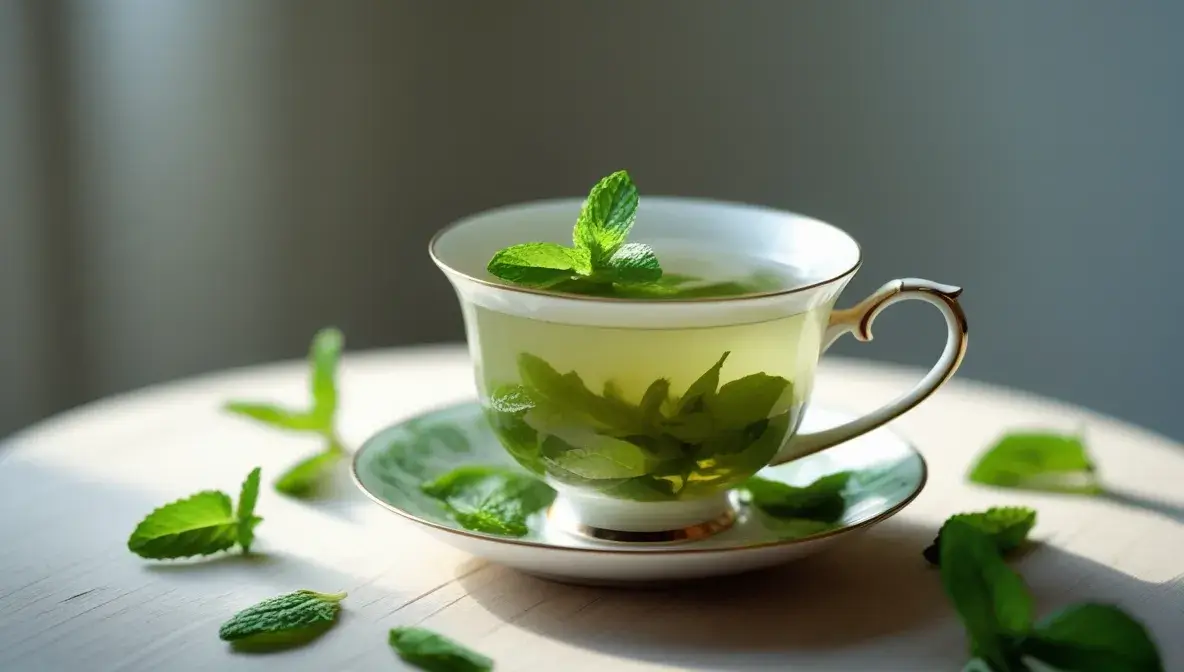
There's a special kind of satisfaction that comes from brewing your own tea, especially when it involves fresh herbs. Among the myriad of herbal infusions, fresh mint tea stands out for its invigorating aroma, soothing properties, and remarkable simplicity. Forget store-bought sachets; discovering how easy it is to craft the perfect cup of mint herbal tea at home is a game-changer, offering a refreshing escape any time of day. It's not just a drink; it's a small ritual, a moment of pause, and a delicious way to tap into nature's bounty.
From its vibrant green leaves to its invigorating scent, mint has been cherished across cultures for centuries. Whether you're seeking a comforting warm beverage on a chilly evening or a cool, thirst-quenching treat on a hot afternoon, homemade fresh mint tea delivers. It's an accessible delight for beginners in the world of home brewing, requiring little more than quality mint and hot water to transform into a captivating cuppa. Let's delve into the simple steps and endless possibilities of brewing your very own perfect mint herbal tea.
The Unassuming Powerhouse: Why Mint Herbal Tea?
Beyond its delightful taste and aroma, mint herbal tea boasts a rich history steeped in traditional medicine and cultural significance. Many ancient civilizations revered mint for its multifaceted therapeutic properties, employing it to alleviate a range of ailments long before modern medicine. This historical reverence highlights mint's enduring appeal as more than just a culinary herb.
One of the most widely celebrated benefits of mint, particularly in its tea form, is its remarkable ability to aid digestion. A warm cup of mint tea can work wonders to soothe an upset stomach, alleviate indigestion, and reduce bloating after a meal. This is largely attributed to compounds like menthol, which relax the digestive tract muscles, promoting smoother digestion. But the benefits don't stop there.
Mint is also recognized for its anti-inflammatory and anti-bacterial properties. These characteristics make it a popular choice for those looking to support their immune system, potentially helping to ward off common colds and seasonal sniffles. For a deeper dive into these wellness advantages, you might want to Uncover the Health Benefits of Herbal Mint Tea: Digestion & Immunity. Furthermore, as a naturally caffeine-free beverage, mint tea is an excellent choice for any time of day. It provides a soothing experience, perfect for winding down before bed, or a refreshing pick-me-up that won't interfere with your sleep cycle. The calming aroma alone can help reduce stress and promote a sense of well-being, transforming a simple drink into a mindful, restorative ritual.
Gathering Your Essentials: Ingredients for the Perfect Brew
The beauty of brewing mint herbal tea lies in its simplicity, requiring just a few quality ingredients to achieve an exceptional flavor. The key to a truly outstanding cup is starting with the best possible components.
The Star: Fresh Mint Leaves
While dried mint leaves can be used, fresh mint leaves are undeniably superior for their vibrant flavor, potent aroma, and rich essential oils. The fresher the leaves, the better your tea will taste. You have a wonderful array of choices when it comes to mint varieties, each offering a subtle difference in character:
- Peppermint: Known for its strong, invigorating menthol kick, perfect for clearing the senses.
- Spearmint: A sweeter, milder mint with a softer, more subtle flavor, often preferred for its less intense menthol.
- Chocolate Mint: Offers a delicate hint of cocoa, making for a unique and intriguing brew.
- Moroccan Mint: A specific spearmint cultivar often associated with traditional North African tea ceremonies, known for its sweet, robust flavor.
- Basil Mint: A less common but fascinating hybrid, offering notes of basil alongside minty freshness.
When selecting your mint, look for vibrant green leaves that are free from blemishes or wilting. If you have a garden, growing your own mint is incredibly rewarding and ensures a continuous supply of the freshest leaves. Mint is famously prolific, making it an excellent herb for home cultivation.
The Foundation: Quality Water
Often overlooked, the quality of your water significantly impacts the final taste of your tea. Tap water can sometimes contain impurities or chemicals that may detract from mint's delicate flavor. For the purest and most delightful tea, filtered water or natural spring water is highly recommended. The ideal water temperature for brewing herbal teas is just off the boil, usually around 200-212°F (93-100°C), allowing for optimal extraction of flavors and beneficial compounds without scorching the delicate leaves.
Optional Enhancements for Flavor and Function
While fresh mint and hot water create a perfect brew on their own, a few additions can elevate your mint herbal tea experience:
- Sweeteners: For those who prefer a touch of sweetness, natural options like honey, agave nectar, or a pinch of sugar can beautifully complement mint's refreshing profile. Add to taste after steeping.
- Ginger: A thin slice or two of fresh ginger root can impart a spicy kick and offer additional digestive and anti-inflammatory benefits, creating a warming and invigorating tea.
- Other Fresh Herbs: Don't be afraid to experiment! Adding sprigs of lemon verbena, basil, or a slice of lemon can introduce new layers of flavor and complexity. A combination of different herbs can create a truly unique and personalized blend.
Brewing Brilliance: Step-by-Step Guide to Fresh Mint Tea
Making a perfect cup of fresh mint herbal tea at home is surprisingly simple. Follow these steps for a consistently delicious and aromatic brew:
Step 1: Prepare Your Mint Leaves
Start by gently rinsing about 10-15 fresh mint leaves per cup of tea under cool water to remove any dust or impurities. For a more intense flavor, you can gently bruise the leaves by rolling them between your palms or lightly crushing them. This helps to release their aromatic essential oils.
Step 2: Heat Your Water
Using filtered or spring water, heat it in a kettle until it just reaches a rolling boil. For optimal flavor extraction, allow it to cool for about 30 seconds to a minute after boiling; this brings it to the ideal temperature for herbal teas.
Step 3: Steep Your Tea
Place the prepared mint leaves directly into your mug or teapot. Pour the hot water over the leaves. To prevent the aromatic oils from escaping, cover your mug or teapot with a lid or a small plate. This is a crucial step for a more flavorful and potent tea.
Step 4: The Waiting Game (Steeping Time)
Allow the mint leaves to steep for 5 to 10 minutes, depending on your desired strength. A shorter steeping time will yield a lighter, more delicate flavor, while a longer steep will result in a more robust and potent brew. Experiment to find your personal preference.
Step 5: Strain and Serve
Once steeped to your liking, remove the mint leaves using a strainer or a slotted spoon. If using a teapot, pour the tea through a strainer into your cup. If you added any optional ingredients like ginger, you can strain those out as well. Your fresh mint herbal tea is now ready to enjoy!
Elevate Your Brew: Tips, Variations, and Serving Ideas
While the basic recipe for mint herbal tea is wonderfully satisfying, there are countless ways to customize and enhance your brewing experience. Unleash your inner barista and transform your tea into a signature drink.
Perfecting Your Steep
Don't be afraid to experiment with steeping times. A quick 3-minute steep offers a light, bright flavor, while 10 minutes or more can create a powerful, invigorating infusion. For a truly concentrated flavor, some enthusiasts even steep their mint overnight in cold water in the refrigerator, creating a delightful cold brew mint tea.
Refreshing Iced Mint Tea
When the temperatures rise, transform your hot brew into an exquisite iced tea. Simply brew a stronger batch of mint tea (use more leaves or steep for longer), allow it to cool to room temperature, then chill thoroughly in the refrigerator. Serve over ice with a garnish of fresh mint, lemon slices, or even a few berries for a burst of color and additional flavor. A touch of sweetener can make iced mint tea even more palatable.
Garnish and Presentation
Elevate the visual appeal of your tea with simple garnishes. A fresh sprig of mint, a thin slice of lemon or lime, or even a few cucumber ribbons can make your cup feel like a gourmet experience. For a special touch, consider freezing mint leaves into ice cubes to keep your iced tea cool without diluting the flavor.
Beyond the Basic: Creative Combinations
- Mint & Citrus: Add a squeeze of fresh lemon or lime juice to your hot tea for an extra zing and a boost of Vitamin C.
- Fruity Mint: Muddle a few raspberries, blackberries, or slices of peach with your mint before steeping for a naturally sweet and fruity infusion.
- Spiced Mint: Alongside ginger, try a tiny pinch of cinnamon stick or a star anise for an exotic twist, especially comforting in cooler months.
- Mint Green Tea Fusion: For those who desire a gentle caffeine boost, steep a small amount of green tea leaves alongside your fresh mint for a unique blend that combines the benefits of both.
Remember, brewing mint herbal tea is a journey of discovery. Each subtle alteration can lead to a new favorite, making it a versatile and endlessly enjoyable beverage to have in your repertoire.
Brewing your own perfect cup of mint herbal tea at home is an incredibly rewarding experience, offering both simplicity and sophistication. From its humble origins as a medicinal herb to its modern status as a beloved refreshing beverage, mint truly delivers on all fronts. By understanding the importance of fresh, quality ingredients, mastering the art of steeping, and embracing creative variations, you can transform simple mint leaves into a comforting ritual, a digestive aid, or a revitalizing tonic. So, gather your fresh mint, heat your water, and embark on a delicious journey that promises flavor, well-being, and a moment of pure, refreshing bliss.
