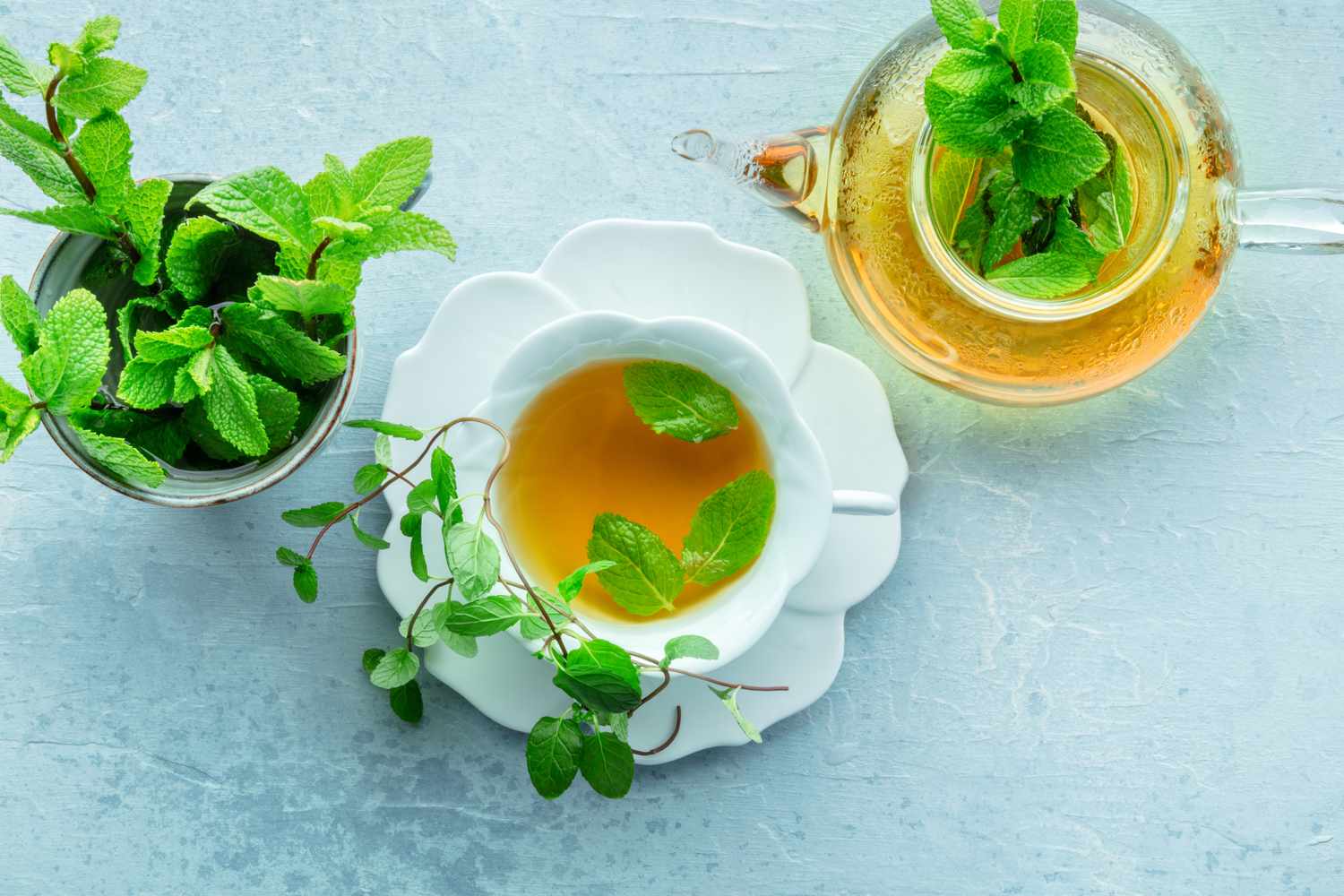
From Garden to Cup: Crafting the Perfect Fresh Mint Tea Experience
There’s a unique charm in transforming simple garden bounty into a soothing elixir. Among the pantheon of comforting beverages, fresh mint tea stands out – a timeless brew that’s as delightful to prepare as it is to savor. More than just a drink, it's a sensory journey, offering a fragrant escape and a moment of tranquil pause in our bustling lives. Whether you're seeking a refreshing pick-me-up or a calming ritual to wind down, mastering the art of homemade
mint herbal tea from scratch is a rewarding endeavor.
The Timeless Allure of Mint Herbal Tea
Mint, with its invigorating aroma and crisp flavor, has graced kitchens and apothecaries for centuries. Its history is deeply intertwined with traditional medicine, with countless cultures revering it for its purported healing properties. From the bustling souks of Morocco, where welcoming glasses of *Nana* tea are a symbol of hospitality, to ancient Greek texts detailing its medicinal uses, the humble mint leaf has always been a celebrated botanical.
Beyond its rich cultural tapestry,
mint herbal tea is renowned for a spectrum of potential health benefits. It's famously known for its digestive prowess, capable of soothing an upset stomach, easing indigestion, and even alleviating symptoms of irritable bowel syndrome. But its virtues don't stop there; mint is also believed to possess anti-inflammatory and anti-bacterial properties, contributing to overall well-being and immune support. For a deeper dive into these remarkable advantages, explore our dedicated article:
Uncover the Health Benefits of Herbal Mint Tea: Digestion & Immunity. This versatile brew is not just a refreshing indulgence but a wellness ally, making it a popular choice for those seeking natural remedies.
From Plot to Pot: Sourcing Your Perfect Mint
The foundation of an exceptional cup of
fresh mint tea lies, unequivocally, in the quality of your mint leaves. While dried mint certainly has its place, nothing quite compares to the vibrant, full-bodied flavor and intoxicating aroma imparted by fresh mint.
One of mint’s most endearing qualities is its vigorous growth. If you have even a small patch of garden or a sunny windowsill, growing your own mint is incredibly easy and highly recommended. It’s a hardy, forgiving herb that proliferates, ensuring a continuous supply for your tea-making adventures. Peppermint offers a strong, tingling sensation, while spearmint provides a sweeter, milder profile. Don't be afraid to experiment with other delightful varieties like chocolate mint, basil mint, or even the intense Moroccan mint for unique flavor nuances. The fresher the leaves, the more potent and delicious your tea will be, so ideally, harvest just before brewing. If fresh isn't an option, high-quality dried mint can still yield a comforting brew, though you might need to use a slightly larger quantity to achieve comparable flavor.
Crafting Your Brew: The Essential Elements for Mint Herbal Tea
Making a truly sublime cup of
mint herbal tea is a delightful process that hinges on a few key components and a dash of personal preference.
Water Quality: The Unsung Hero
It might seem trivial, but the water you use plays a crucial role in the final taste of your tea. Tap water, especially if it's heavily chlorinated or contains other impurities, can subtly alter or even mask the delicate flavors of the mint. For the purest expression of your chosen mint, always opt for filtered water or spring water. This ensures a clean slate, allowing the mint’s natural essence to shine through unhindered.
The Mint: Freshness is Key
As we've emphasized, fresh mint leaves are the star of the show. For a standard mug, a generous handful – roughly 10-15 medium-sized leaves, or more if they're small – is usually sufficient. You can gently bruise the leaves by clapping them between your palms or lightly tearing them before steeping. This helps to release their aromatic oils and intensify the flavor. Remember, different mint varieties will yield distinct flavor profiles, so don't hesitate to experiment until you find your personal favorite.
Enhancements & Personal Touches
While a simple infusion of mint and water is wonderfully satisfying, adding a few extra ingredients can elevate your
mint herbal tea to new heights.
*
Sweeteners: Adding a touch of sweetness is entirely optional but can beautifully complement mint's refreshing bite. Honey is a classic choice, offering a natural floral note that harmonizes perfectly with mint. Other options include granulated sugar, agave nectar, or maple syrup. Add to taste after steeping.
*
Ginger: For those who appreciate a spicy kick and an extra layer of warmth, a few thin slices of fresh ginger root can transform your mint tea. Ginger not only adds a delightful zing but also brings its own renowned anti-inflammatory and digestive benefits to the brew.
*
Other Herbs & Citrus: Don't limit yourself to just mint! Experiment with a sprig of lemon verbena for a citrusy depth, a few basil leaves for an intriguing herbal twist, or even a slice of fresh lemon or lime. A strip of orange or lemon zest, added to the steeping water, can also infuse a bright, aromatic dimension. These additions can add complexity and depth, turning your simple mint tea into a gourmet experience.
For a comprehensive, step-by-step guide to brewing your perfect cup, make sure to check out our detailed instructions:
Brew Your Own: Easy Steps to Perfect Fresh Mint Tea at Home.
The Art of Steeping: Unlocking Mint's Full Potential
The final stage in crafting your perfect
mint herbal tea involves the crucial act of steeping. This is where the magic happens, as the hot water coaxes out the flavorful oils and beneficial compounds from the leaves.
Begin by bringing your filtered or spring water to a rolling boil. For most herbal teas, just-off-the-boil water (around 200-212°F or 93-100°C) is ideal as it provides enough heat to extract flavors without scalding delicate herbs. Place your prepared fresh mint leaves (and any optional additions like ginger or other herbs) into your tea mug or teapot. Pour the hot water over the leaves.
Immediately cover your mug or teapot. This is a critical step often overlooked! Covering prevents the aromatic essential oils, which are volatile, from escaping with the steam. Trapping these precious aromas ensures your tea is as fragrant as possible.
The steeping time largely depends on your desired strength and the freshness of your mint. Generally, for a vibrant, refreshing cup, 5-7 minutes is a good starting point. If you prefer a bolder, more robust flavor, you can steep for up to 10 minutes. Be mindful not to over-steep, as very prolonged infusion can sometimes lead to a slightly bitter taste, especially with certain mint varieties. After steeping, remove the leaves (or strain the tea) to prevent further infusion.
Serve your
fresh mint tea hot, perhaps garnished with a fresh mint sprig or a lemon slice, for an elegant touch. On a warm day, allow it to cool, then pour over ice for an incredibly refreshing iced mint tea.
Conclusion
From the rich soil of your garden to the comforting warmth of your cup, crafting the perfect
mint herbal tea is a simple pleasure that yields profound rewards. It’s a low-fuss, caffeine-free refresher that offers a moment of tranquility, a burst of invigorating flavor, and a host of potential wellness benefits. Whether you're an experienced herbalist or new to the world of homemade brews, mint tea is an accessible and endlessly customizable choice. So, next time you’re seeking a delightful beverage that nurtures both body and soul, look no further than the humble, yet mighty, mint leaf. Brew a batch today and savor the experience!