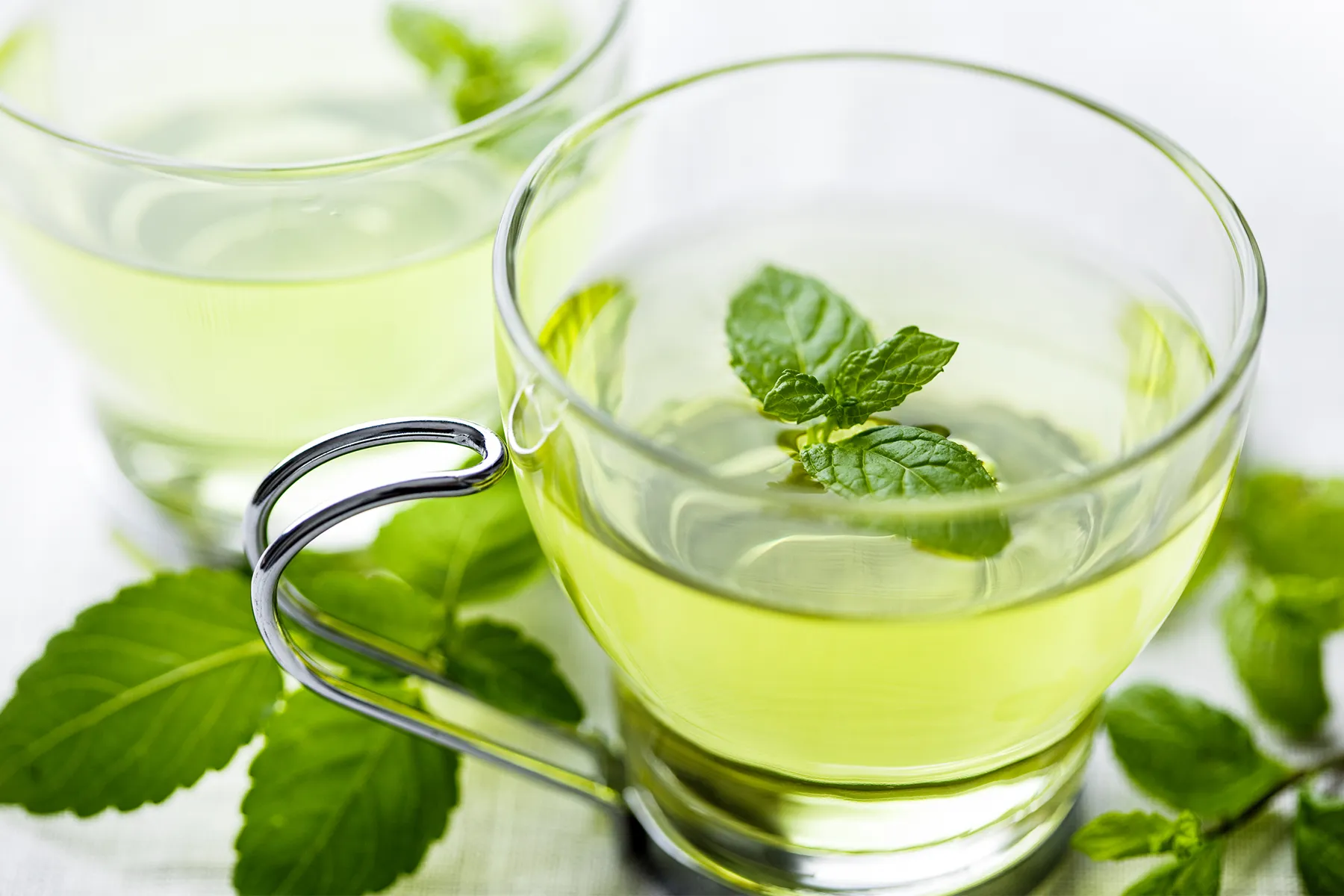
Uncover the Natural Power of Mint Herbal Tea for Digestion & Immunity
In a world constantly searching for natural wellness solutions, one ancient elixir stands the test of time: mint herbal tea. More than just a refreshing beverage, this fragrant infusion, made by steeping fresh or dried mint leaves in hot water, has been cherished across cultures for centuries. Its crisp aroma and invigorating taste offer a soothing ritual, a caffeine-free pick-me-up, and a host of remarkable health benefits, particularly for digestive comfort and immune system support.
From the bustling souks of Morocco to the tranquil gardens of English cottages, mint has been a staple in traditional medicine and daily life. It’s an easy-to-grow herb, making it an accessible and delightful starting point for anyone looking to incorporate herbal teas into their routine. If you’re ready to discover how this humble plant can transform your health and well-being, let's explore the multifaceted advantages of a simple cup of mint herbal tea.
A Timeless Elixir: The Rich History of Mint Herbal Tea
The story of mint herbal tea is as rich and aromatic as the beverage itself. Its use dates back thousands of years, with archaeological evidence suggesting mint cultivation in ancient Egypt for medicinal purposes. The Romans used mint to flavor wines and sauces, while the Greeks incorporated it into their baths and perfumes, believing it invigorated the mind.
However, it is perhaps in the Middle East and North Africa where mint tea became most iconic. In cultures like Morocco, serving mint tea is a deeply ingrained social ritual, symbolizing hospitality, friendship, and tradition. It's not just a drink; it's an experience, meticulously prepared and ceremonially poured. This long-standing global appreciation isn't just for its pleasant taste; it's rooted in the profound understanding of mint's inherent medicinal qualities, passed down through generations. The enduring popularity of mint herbal tea is a testament to its effectiveness as both a delightful beverage and a powerful natural remedy.
Soothe and Settle: Mint Herbal Tea for Digestive Wellness
One of the most celebrated attributes of mint herbal tea is its incredible ability to calm and support the digestive system. For those grappling with an upset stomach, bloating, gas, or indigestion, a warm cup of this herbal infusion can feel like a gentle embrace.
The secret lies primarily in menthol, the active compound found abundantly in mint, especially peppermint. Menthol acts as a natural antispasmodic, meaning it can relax the muscles of the gastrointestinal tract. This relaxation helps to alleviate spasms that often contribute to cramps, discomfort, and the feeling of a "knot" in your stomach. By easing these muscle contractions, mint tea can facilitate the smoother passage of food and gas, reducing symptoms like:
- Bloating and Gas: It helps dispel trapped gas, providing relief from that uncomfortable distended feeling.
- Indigestion: By relaxing digestive muscles, it can help food move more efficiently through the system.
- Nausea: The soothing properties and refreshing aroma can be particularly helpful in easing feelings of sickness, whether from motion sickness, morning sickness, or general unease.
- Irritable Bowel Syndrome (IBS) Symptoms: While not a cure, many individuals with IBS find peppermint oil (and by extension, strong peppermint tea) helpful in managing symptoms like abdominal pain and discomfort due to its antispasmodic effects.
Drinking a cup of mint herbal tea after a meal, especially a rich one, can act as a gentle digestive aid, preparing your body to process food more comfortably. It's a simple, natural, and delicious way to promote digestive harmony.
Fortify Your Defenses: Mint Herbal Tea for Immune Support
Beyond its digestive prowess, mint herbal tea also offers a remarkable boost to your immune system, helping your body defend against common ailments. Mint varieties, particularly peppermint and spearmint, contain compounds known for their antimicrobial, antiviral, and anti-inflammatory properties.
- Anti-inflammatory Action: Chronic inflammation can weaken the immune system. Mint's anti-inflammatory compounds can help reduce systemic inflammation, allowing your immune system to function more optimally. This can be particularly beneficial during cold and flu season, helping to soothe sore throats and clear congestion.
- Antimicrobial and Antiviral Properties: Research suggests that certain compounds in mint possess the ability to fight off harmful bacteria and viruses. While not a substitute for medical treatment, incorporating mint tea into your routine can provide an additional layer of natural defense, potentially reducing the duration or severity of common colds.
- Antioxidant Power: Mint leaves are also a source of antioxidants, which combat free radicals in the body. Free radicals can damage cells and contribute to a weakened immune response. By neutralizing these damaging molecules, antioxidants help protect cellular health and support overall immune function.
- Respiratory Comfort: The menthol in mint acts as a natural decongestant, helping to open airways and ease breathing. This can be especially comforting when dealing with nasal congestion or a chesty cough, making it easier to recover from respiratory infections.
Regular consumption of mint herbal tea can therefore be a delicious and proactive step in strengthening your body's natural defenses, keeping you feeling vibrant and resilient year-round.
Beyond the Basics: Other Wellness Perks of Mint Herbal Tea
While digestion and immunity are key benefits, the advantages of incorporating mint herbal tea into your daily routine extend even further, touching on various aspects of well-being:
- Stress Reduction and Relaxation: The refreshing aroma of mint, particularly peppermint, is known for its calming effect on the nervous system. A warm cup of mint tea can act as a natural stress reliever, helping to soothe anxieties, ease tension, and promote a sense of tranquility, making it an ideal beverage before bed for improved sleep quality.
- Headache and Migraine Relief: Thanks to its antispasmodic and anti-inflammatory properties, mint tea may help alleviate tension headaches and even some migraines. The menthol can relax tightened muscles in the head and neck, while the soothing aroma can provide a distracting comfort.
- Fresher Breath: Mint is famous for its breath-freshening qualities. Drinking mint tea can naturally combat bad breath by killing odor-causing bacteria in the mouth and leaving a pleasant, fresh taste.
- Enhanced Mental Alertness (Without Caffeine): While caffeine-free, the stimulating aroma of mint can help to boost focus and improve mental clarity. It's an excellent choice for a mid-afternoon pick-me-up that won't disrupt your sleep later.
- Natural Pain Relief: Some studies suggest that mint may have mild analgesic properties, offering relief from minor aches and pains due to its anti-inflammatory effects.
This wide array of benefits makes mint herbal tea a truly holistic addition to any wellness regimen, offering comfort and care from head to toe.
Brewing Your Best Cup: Tips for Maximizing Your Mint Herbal Tea Experience
Crafting the perfect cup of mint herbal tea is a simple pleasure that yields maximum health benefits. Whether you're a seasoned tea enthusiast or new to the world of herbal infusions, a few key considerations can elevate your experience:
- Choose Your Mint Wisely: While any variety of mint will make a delicious tea, fresh mint leaves are generally preferred for their more vibrant flavor and potent therapeutic compounds. Peppermint offers a stronger, more invigorating menthol kick, while spearmint provides a sweeter, milder flavor profile. Other varieties like chocolate mint or basil mint can add unique nuances. If fresh isn't available, high-quality dried mint leaves are an excellent alternative.
- Quality Water Matters: The foundation of any great tea is pure water. Use filtered or spring water to avoid impurities that could alter the delicate flavors of the mint.
- Steeping for Perfection: For fresh mint, use about 5-10 leaves per cup, gently bruised to release their oils. For dried mint, a teaspoon per cup is usually sufficient. Pour just-boiled water over the leaves and steep for 5-10 minutes. Adjust steeping time to your desired strength. A longer steep will result in a more potent, stronger-flavored tea.
- Personalize Your Brew:
- Sweeteners: A touch of honey or maple syrup can complement mint's refreshing taste.
- Ginger: Add a slice or two of fresh ginger for a spicy kick and amplified digestive benefits.
- Other Herbs: Experiment with lemon verbena, basil, or a slice of lemon for added complexity and health boosts.
- Enjoy Hot or Cold: Mint herbal tea is wonderfully versatile. Enjoy it warm for a comforting, soothing experience, or chill it for a remarkably refreshing iced beverage on a hot day.
For more detailed guidance on making your own delightful mint tea at home, explore our comprehensive guides: Brew Your Own: Easy Steps to Perfect Fresh Mint Tea at Home and From Garden to Cup: Crafting the Perfect Fresh Mint Tea Experience.
The journey of embracing mint herbal tea is one of natural discovery and simple pleasure. By understanding the profound benefits it offers for digestion, immunity, and overall well-being, you can easily integrate this ancient remedy into your modern lifestyle. So, take a moment, brew a cup, and let the invigorating aroma and soothing taste of mint tea transport you to a state of calm and renewed health.
